


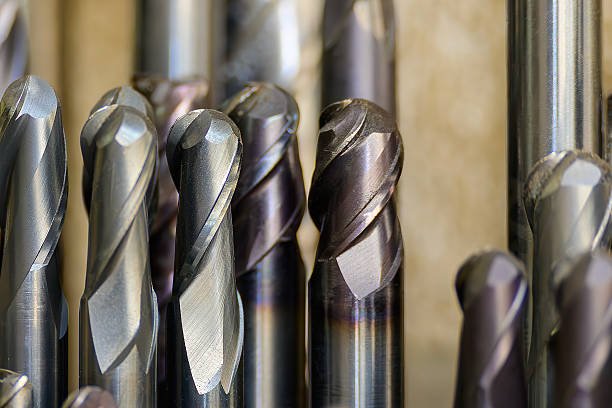
Walk through almost any machine shop, fabrication yard, or tool crib in the Pacific Northwest and you will spot a bucket of worn-out carbide somewhere. Dull inserts, chipped end mills, snapped drills, and broken rods pile up quietly, and most people treat them as clutter. In reality, that bucket holds one of the most valuable scrap materials in the industrial world. The trouble is that many owners never learn what it is worth until it has already been thrown out, mixed with steel, or sold for a fraction of its real value.
The good news is that you do not have to settle for a weak offer. Working with experienced Tungsten Carbide Buyers in Washington gives you access to pricing that reflects what the material actually contains, not what a general scrapyard assumes it contains. Understanding why specialists pay more is the first step toward getting a better return on tooling you have already paid for once, and it only takes a few minutes to learn the basics.
What Makes Carbide Scrap Different From Ordinary Metal
Most scrap metal is sold by weight and sorted into broad groups like steel, aluminum, or copper. Tungsten carbide does not fit that picture. It is a dense composite made by bonding tungsten carbide particles with cobalt, and the result is far harder and far more expensive to produce than everyday metals. Because the raw ingredients are costly and limited, leftover tooling keeps real worth long after the cutting edge has worn down. A tiny insert may look like nothing, yet thousands of them together represent serious value that deserves careful handling.
General scrap dealers often lack the equipment and market contacts to handle this material properly. They may not test grades, separate coated pieces from uncoated ones, or know which refiners want specific forms. That gap in knowledge gets passed straight to you in the form of a lower offer. A specialist understands the composition, recognizes the grade on sight, and knows exactly where the material goes next. That confidence is why the number on a specialist’s quote can look so different from what a neighborhood yard is willing to pay.
How Specialist Buyers Calculate a Fair Price
A fair quote starts with identifying what you actually have. Inserts, solid rods, end mills, drills, and mixed tooling are all valued differently, and cleanliness matters just as much as quantity. Pieces that are free of steel shanks, braze, and heavy contamination are easier to process and usually bring a stronger return. Sorting your material before you send it can make a noticeable difference without costing anything except a little time, so it is worth setting aside an hour to separate your carbide by type.
Market conditions play a role as well. Tungsten prices move over time, and a buyer who follows those changes can adjust offers so they stay competitive instead of being stuck at an old figure. Ask how the price is determined, whether it depends on grade, and when payment is made. A transparent buyer will explain these points clearly without hesitation, and that openness is often the best sign that you are dealing with someone who plans to treat you fairly from the first inquiry to the final payout.
Why Convenience and Reliability Matter as Much as Price
A high number on paper means little if the process is slow or confusing. Shops across Washington run on tight schedules, and nobody wants to spend days chasing quotes, arranging pickups, or waiting on payment. The best buyers keep things simple by offering flexible selling options, clear shipping instructions, and quick communication. When the process feels easy, you are far more likely to sell your scrap regularly instead of letting it pile up for another year.
Reliability protects you over the long term too. A shop that generates carbide scrap every month benefits from a steady relationship with a buyer it can trust, because pricing, paperwork, and handling become routine. You stop wondering whether each sale will go smoothly and start treating scrap as a predictable source of income. That consistency is something a one-time trip to a general scrapyard cannot offer, no matter how close the location seems or how quickly the person at the counter promises to give you an answer.
Conclusion
Carbide that has finished its job on the shop floor still has plenty of value left to give. Understanding what the material is, preparing it with care, and choosing a buyer who works with it every day can turn forgotten leftovers into meaningful money. Take a look at what is sitting in your scrap bins today, and give it the attention it deserves.