

ATO approaches fluid-handling applications with a focus on technically sound pump architectures and consistent flow control, recognizing that users come with very different operational goals—chemical dosing, slurry transfer, drainage, or pressure boosting. Many buyers searching for peristaltic pump manufacturers are trying to solve persistent issues like shear-sensitive fluids being damaged in traditional impeller systems, clogging in sludge applications, or unpredictable flow rates during continuous operation. A peristaltic pump, particularly an industrial peristaltic pump designed with reinforced tubing and stable roller mechanisms, bypasses many of these limitations by isolating fluid from moving parts and keeping contamination risks nearly zero.
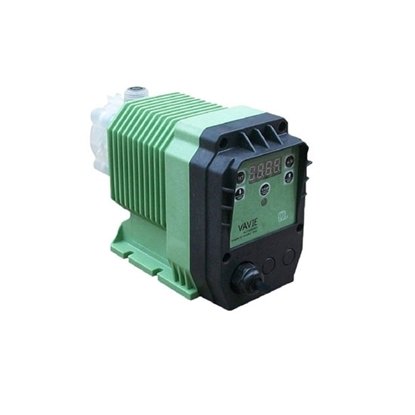
In dosing-heavy environments, such as water treatment plants or chemical preparation lines, a dosing pump with precise pulsed or continuous output helps maintain accurate ratios even when viscosity changes. Operators often combine these units with diaphragm pump systems when higher pressure capability is needed further downstream, allowing a more modular and reliable setup. Facilities dealing with wastewater or slurry often integrate a sewage pump or mud pump, yet still depend on a peristaltic model for metering additives, disinfectants, or corrosion inhibitors. This dual-system design solves one of the most common unmet needs: balancing bulk movement with fine-grained chemical control.
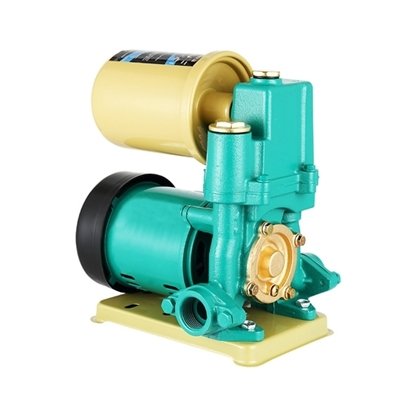
Fire protection networks and building services frequently turn toward a fire pump or water booster pump to stabilize system pressure, but maintenance teams also emphasize the importance of having a self priming pump on standby to handle intermittent flow conditions without manual intervention. In marine, agricultural, or portable system contexts, operators rely on a bilge pump for rapid removal of accumulated water; however, when they require smooth transfer of fragile liquids, a peristaltic pump remains the preferred choice due to its clean internal pathway and straightforward tubing replacement.
Process engineers routinely request pump configurations that handle corrosive or high-solids media, and this is where screw pump and magnetic drive pump designs enter the conversation. Still, when contamination control or gentle pumping action is essential, the peristaltic architecture consistently outperforms alternatives. Tubing selection—EPDM, Norprene, silicone—often becomes the critical technical parameter, influencing chemical compatibility, suction lift, and lifespan. Industrial peristaltic pump models typically include adjustable speed profiles, reversible flow, and constant-torque motors that maintain accuracy despite backpressure changes, features that matter far more than nominal flow ratings.
Users also note the need for fluid-handling systems that integrate seamlessly with existing PLC or automated dosing frameworks. ATO supports these requirements by offering pumps with controllable speed inputs, high-repeatability flow curves, and maintenance-friendly mechanical layouts that reduce downtime. Whether paired with diaphragm pump lines for pressure management or used alongside sewage pump units in multi-stage treatment processes, these peristaltic solutions serve as reliable, low-shear components within broader industrial workflows.
Across the catalog, the strength lies in versatility—pumps engineered for chemical dosing, slurry transfer, pressure boosting, drainage, and precision metering, all operating on predictable mechanical principles and supported by durable construction.