






- Breast Surgery
- Cardiology
- Clinical Neurophysiology
- Colorectal Surgery
- Cosmetic Dermatology
- Ear
- Endocrinology
- Mole checks and monitoring
Tooth pain can make everyday activities such as eating, drinking, speaking, and sleeping uncomfortable. Sometimes, the discomfort starts as mild sensitivity and gradually becomes a persistent ache. In other cases, you may experience sharp pain while chewing or notice swelling around a tooth. These symptoms should not be ignored, as they may indicate tooth decay, a cracked tooth, or an infection that needs dental attention.
If you are searching for a dental clinic in Pune for tooth pain or root canal treatment, understanding the possible causes, available treatment options, and what to expect during a dental visit can help you make an informed decision. Timely evaluation by a qualified dentist can help identify the source of discomfort and determine the most suitable treatment for your oral health.
Common Causes of Tooth Pain
Tooth pain can develop for several reasons. Identifying the cause is important because the right treatment depends on the condition of the affected tooth and surrounding gums.
Some common causes include:
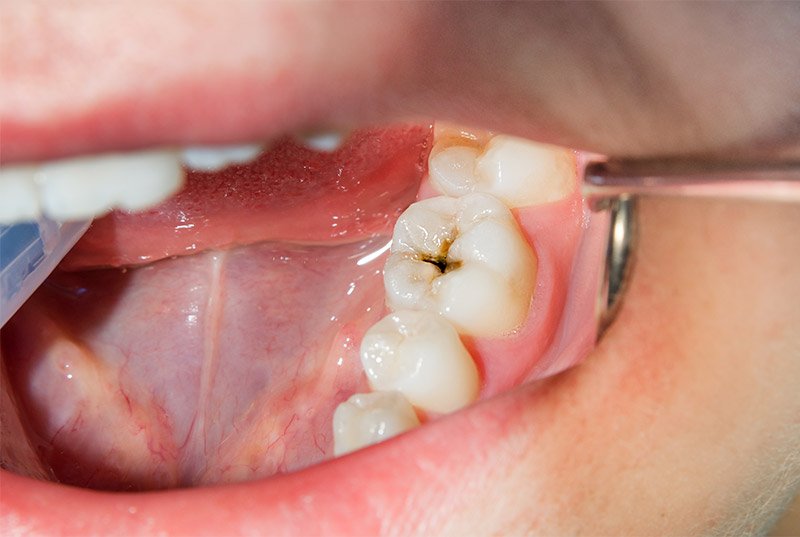
- Tooth decay: Bacteria can damage the outer layers of a tooth, eventually reaching its inner parts.
- Dental infection: An infection inside a tooth may cause persistent pain, sensitivity, or swelling.
- Cracked or damaged teeth: A crack may cause discomfort when biting or chewing.
- Gum problems: Inflamed or infected gums can cause tenderness, bleeding, and discomfort.
- Tooth sensitivity: Hot, cold, sweet, or acidic foods may trigger short-lasting pain.
- Wisdom tooth problems: A wisdom tooth that does not emerge properly may cause pain and swelling.
Tooth pain does not always mean you need a root canal. A dentist will examine the tooth and may recommend a dental X-ray to understand the extent of the problem before suggesting treatment.
What Is Root Canal Treatment?
Root canal treatment, also called RCT, is a dental procedure used to treat infection or damage inside a tooth. The innermost part of the tooth contains soft tissue called the pulp, which includes nerves and blood vessels.
When deep tooth decay, an injury, or a crack damages the pulp, it may become inflamed or infected. Root canal treatment removes the affected tissue, cleans the inside of the tooth, and seals the space to help prevent further infection.
The main purpose of RCT is to relieve symptoms associated with the damaged pulp and preserve the natural tooth whenever possible.
When Is a Root Canal Needed?
A dentist may recommend root canal treatment when the pulp inside a tooth is severely damaged or infected.
Common warning signs include:
- Persistent or throbbing tooth pain
- Pain while biting or chewing
- Prolonged sensitivity to hot or cold foods
- Swelling or tenderness around the affected tooth
- A darkened or discoloured tooth
- A pimple-like swelling on the gums near a tooth
Some teeth with pulp damage may not cause obvious pain. Therefore, a dental examination is important if you notice unusual changes in your teeth or gums.
How Does Root Canal Treatment Work?
The exact treatment plan depends on the tooth's condition and the dentist's findings. A typical root canal procedure involves the following steps.
1. Dental Examination
The dentist checks the affected tooth, asks about your symptoms, and may take a dental X-ray. This helps assess the tooth and the surrounding bone.
2. Numbing the Tooth
Local anaesthesia is generally used to numb the area before treatment. This helps make the procedure more comfortable.
3. Removing the Damaged Pulp
The dentist creates a small opening in the tooth and removes the infected or damaged pulp from inside it.
4. Cleaning and Sealing
The inner canals are cleaned, shaped, and sealed with suitable dental materials to help prevent reinfection.
5. Restoring the Tooth
A filling or dental crown may be recommended to restore the tooth's shape and function. A crown is often considered for teeth that have lost significant strength, although the appropriate restoration depends on the individual tooth.
Root canal treatment may be completed in one or more appointments, depending on the complexity of the case, the presence of infection, and the dentist's treatment plan.
Benefits of Root Canal Treatment
When recommended after a proper examination, root canal treatment can offer several benefits:
- Helps relieve pain: Treating the damaged pulp can address the source of pain.
- Preserves the natural tooth: It may help you keep your existing tooth rather than having it removed.
- Supports normal chewing: Restoring the tooth can help improve everyday function.
- Helps control infection: Cleaning and sealing the root canals can help prevent the infection from spreading.
- Supports oral health: Preserving a natural tooth may help maintain your bite and the position of nearby teeth.
The long-term outcome depends on the extent of damage, the quality of treatment, the final restoration, and ongoing oral hygiene.
How to Prepare for a Root Canal Appointment
You usually do not need extensive preparation before a root canal appointment. However, a few simple steps can make your visit easier.
- Tell the dentist about your symptoms, allergies, medical conditions, and medicines you take.
- Share any previous dental X-rays or relevant dental records, if available.
- Follow the clinic's instructions regarding eating, medicines, or other preparations.
- Ask how many appointments may be required and whether a crown or another restoration is likely to be needed.
- Arrange follow-up visits as recommended by your dentist.
Do not start antibiotics or other medicines on your own. Your dentist can determine whether medication is necessary alongside dental treatment.
Root Canal Recovery and Aftercare
It is common to experience some tenderness around the treated tooth for a short period after a root canal. Follow your dentist's instructions to support recovery.
Helpful aftercare practices include:
- Avoid chewing hard foods on the treated tooth until your dentist says it is safe.
- Brush twice daily with fluoride toothpaste and clean between your teeth regularly.
- Take prescribed medicines only as directed.
- Attend follow-up appointments for a permanent filling or crown, if required.
- Contact your dentist if pain or swelling worsens, your bite feels uneven, or symptoms return.
Seek urgent dental care if you develop facial swelling, fever with dental symptoms, or difficulty opening your mouth. Difficulty breathing or swallowing, especially with facial or neck swelling, requires emergency medical attention.
What Affects the Cost of Root Canal Treatment?
The cost of root canal treatment varies depending on several factors. These may include:
- The tooth being treated, such as a front tooth or a molar
- The number and complexity of the root canals
- The extent of infection or structural damage
- Whether additional procedures are needed
- The type of filling or crown required
- The number of appointments and the overall treatment plan
For an accurate estimate, request a dental examination and a clear explanation of the proposed treatment and associated charges before proceeding.