Avoid These Common Mistakes
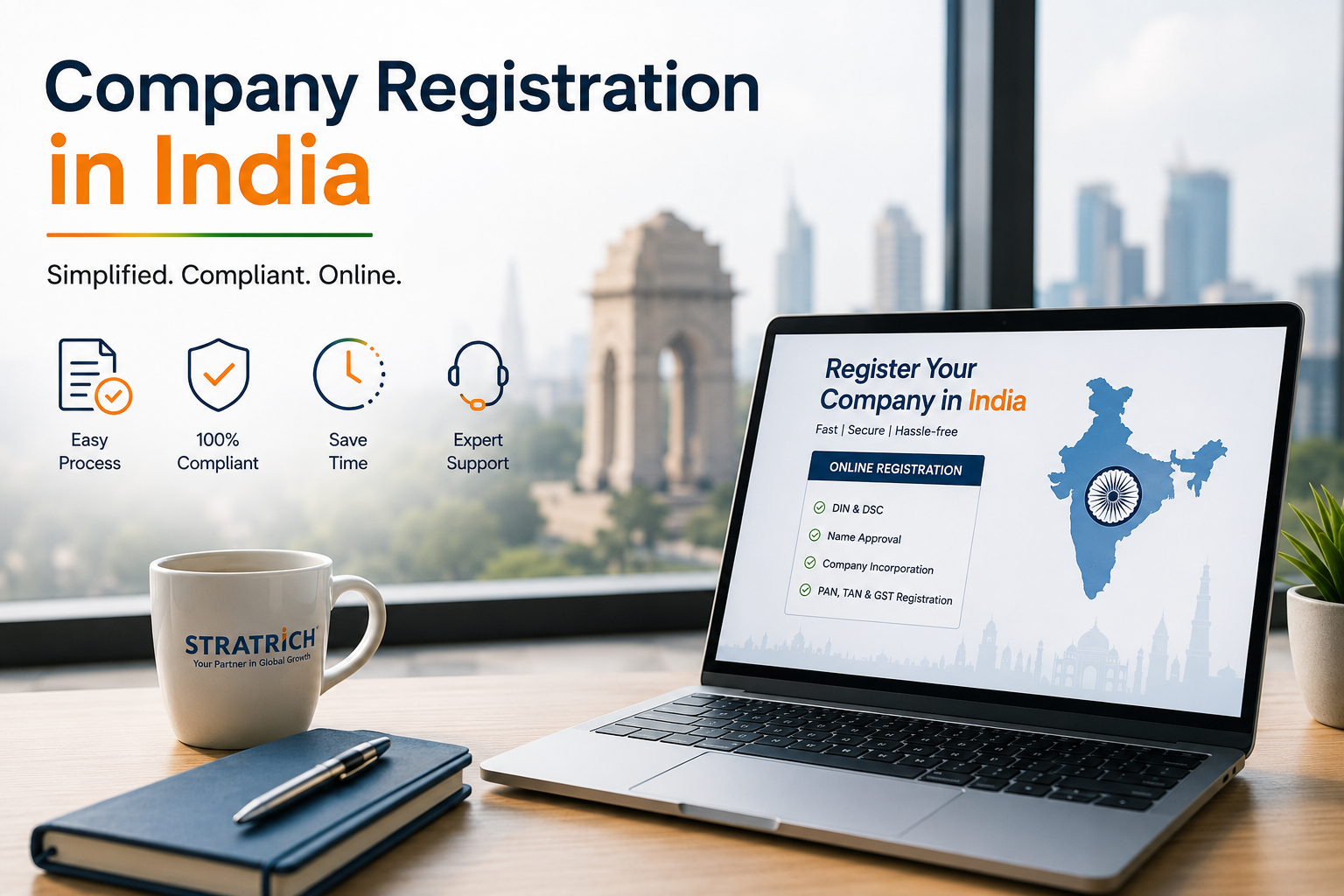
India has become one of the world's most promising destinations for international investment. With a rapidly expanding economy, a skilled workforce, strong digital infrastructure, and favourable government initiatives, the country offers enormous opportunities for businesses looking to expand globally. As a result, many companies from the UK and Europe are planning to register a company in India to establish a long-term presence in South Asia.
Although the incorporation process has become faster through digital government services, many foreign investors still face unnecessary delays because they overlook important preparation steps. Understanding the initial requirements before filing an application can make Company incorporation in India smoother, more efficient, and legally compliant.
This guide explores the essential requirements for foreign businesses while highlighting common mistakes that can delay setting up a company in India.
Why Proper Preparation Is More Important Than Speed
Many overseas entrepreneurs believe that registering a company in India is simply a matter of submitting an online application. In reality, successful incorporation depends on careful planning, complete documentation, and compliance with Indian corporate and foreign investment regulations.
Businesses that prepare properly are more likely to:
- Complete registration without delays
- Avoid document rejection
- Meet regulatory requirements
- Open corporate bank accounts more quickly
- Begin commercial operations sooner
- Strengthen their market entry in India
Preparation is not just a legal requirement—it is a business advantage.
Understand Whether Your Business Can Receive Foreign Investment
One of the first requirements is confirming whether your proposed business activity allows foreign ownership.
India permits 100% Foreign Direct Investment (FDI) in many industries through the automatic route, including:
- Information Technology
- Software Development
- Business Consulting
- Manufacturing
- Engineering Services
- E-commerce (subject to regulations)
- Renewable Energy
However, certain sectors require prior government approval. Checking FDI eligibility before incorporation prevents unexpected compliance issues.
Choose the Right Business Structure
Selecting an appropriate legal entity affects taxation, ownership, compliance obligations, and future expansion.
The most common options include:
| Business Structure | Suitable For | Key Benefit |
|---|---|---|
| Private Limited Company | Commercial operations | Strong legal identity |
| Wholly Owned Subsidiary | Foreign parent companies | Complete ownership and operational control |
| Branch Office | Limited approved activities | Direct extension of overseas business |
| Liaison Office | Market research | No commercial trading |
| Limited Liability Partnership | Selected professional services | Flexible management structure |
For many overseas companies, a wholly owned subsidiary in India provides the ideal balance between operational flexibility and legal protection.
Ensure Directors Meet Legal Requirements
Indian company law requires every Private Limited Company to appoint:
- A minimum of two directors
- At least one resident director
- A minimum of two shareholders
Foreign nationals may serve as directors and shareholders, subject to applicable laws and documentation requirements.
Choosing experienced directors early helps establish effective governance from the beginning.
Prepare Documentation Carefully
Incomplete or incorrectly certified documents remain one of the most common reasons for delays.
Foreign applicants usually require:
- Valid passport
- Address proof
- Passport-size photograph
- Email address
- Mobile number
Corporate shareholders generally need:
- Certificate of Incorporation
- Constitutional documents
- Board Resolution
- Authorised signatory identification
Documents issued overseas often require notarisation and apostille certification before submission in India.
Secure Digital Registration Credentials
Since Company incorporation in India is completed electronically, directors must obtain:
- Digital Signature Certificate (DSC)
- Director Identification Number (DIN)
Without these credentials, incorporation documents cannot be submitted through the Ministry of Corporate Affairs portal.
Arrange a Registered Office Before Applying
Every company must have a registered office located in India.
This address is used for:
- Government notices
- Income tax registration
- GST registration (where applicable)
- Banking correspondence
- Corporate compliance
Having office documentation ready before filing avoids unnecessary interruptions during registration.
Plan Your Shareholding and Capital
While India no longer requires a minimum paid-up capital for Private Limited Companies, businesses should still define:
- Shareholding percentages
- Initial investment
- Authorised share capital
- Future funding plans
A well-designed ownership structure reduces future restructuring costs.
Common Mistakes Foreign Investors Should Avoid
Many international businesses encounter avoidable problems during incorporation.
Some of the most frequent mistakes include:
- Selecting the wrong legal structure
- Ignoring FDI regulations
- Submitting uncertified foreign documents
- Choosing a company name already in use
- Delaying the appointment of a resident director
- Underestimating post-incorporation compliance obligations
Avoiding these issues can significantly improve the incorporation experience.
Real-Life Case Study
A UK-based engineering consultancy planned to expand into India to support infrastructure clients across Asia. Initially, the company prepared only its incorporation documents without reviewing FDI regulations or appointing a resident director.
After consulting experienced advisors, the company restructured its incorporation plan, completed document legalisation, appointed a compliant resident director, and established a wholly owned subsidiary in India. The revised approach allowed the company to complete incorporation successfully and begin operations with minimal regulatory delays.
This example illustrates how preparation often determines the success of international expansion.
Example
Consider a Swedish software company planning to enter the Indian market.
Before beginning incorporation, the company:
- Reviews foreign investment eligibility
- Chooses a Private Limited Company
- Collects certified shareholder documents
- Obtains Digital Signature Certificates
- Finalises its registered office
- Defines its capital structure
By completing these requirements in advance, the company experiences a faster and more organised registration process.
India's Strong Investment Momentum
India continues to be among the leading global destinations for foreign investment. According to the Department for Promotion of Industry and Internal Trade (DPIIT), cumulative FDI inflows have exceeded US$1 trillion since April 2000, driven by reforms, digital governance, infrastructure investment, and growing consumer demand. These factors continue to strengthen opportunities for international businesses considering market entry in India.
How Stratrich Simplifies Company Registration
Expanding into India involves legal, financial, and regulatory considerations that can be difficult to manage remotely. Stratrich provides comprehensive business consulting services to help foreign companies establish operations efficiently.
Its services include:
- Business structure advisory
- FDI compliance support
- Company registration assistance
- Documentation management
- Regulatory coordination
- Ongoing compliance and corporate advisory
By working with experienced consultants, businesses can reduce risks and focus on achieving their commercial objectives.
Conclusion
Meeting the initial requirements to register a company in India is about more than satisfying legal formalities—it is about creating a solid foundation for long-term business success. By selecting the appropriate business structure, verifying FDI eligibility, preparing compliant documentation, appointing qualified directors, and organising operational requirements, foreign investors can complete Company incorporation in India with greater confidence.
Whether your goal is setting up a company in India, establishing a wholly owned subsidiary in India, or planning a broader market entry in India, careful preparation will save valuable time and minimise regulatory challenges. With expert guidance from Stratrich, UK and European businesses can confidently take the first step toward building a successful presence in one of the world's fastest-growing economies.