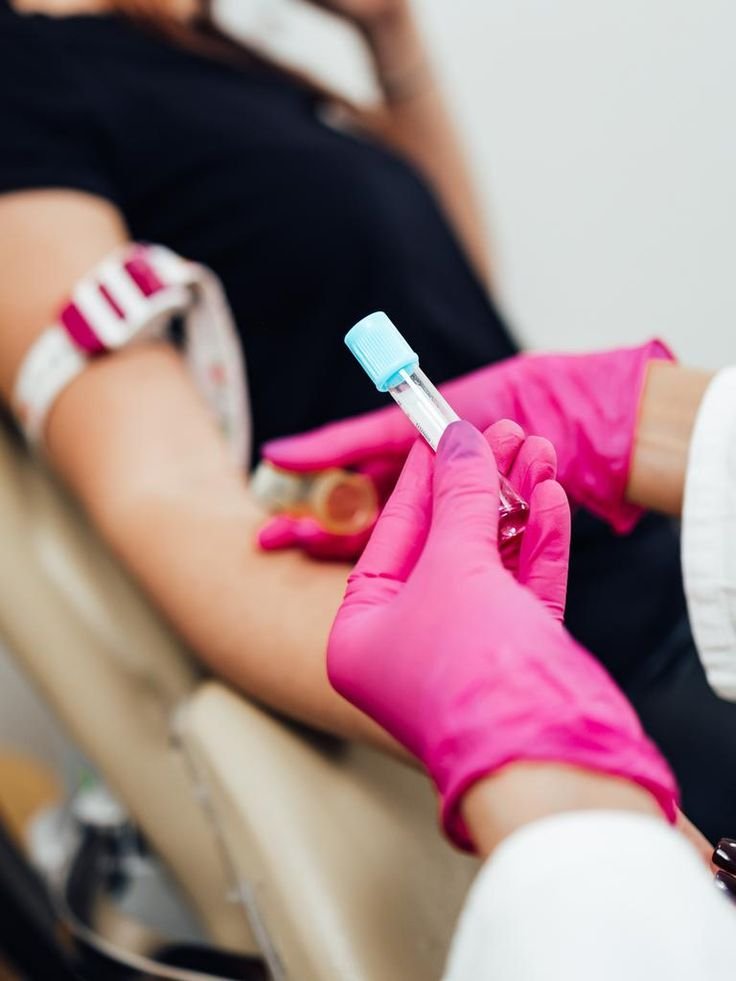
Finding a reliable blood collection service is important when you need accurate laboratory testing without the inconvenience of travelling to a diagnostic centre. Whether you require routine blood tests, a health check-up, or tests recommended by your doctor, home blood sample collection can make the process more comfortable and convenient.
With a home collection service, a trained phlebotomist visits your home to collect the required blood sample, which is then sent to a laboratory for testing. This option can be particularly helpful for senior citizens, busy professionals, people with limited mobility, and families who prefer testing at home.
What Is a Home Blood Collection Service?
A home blood collection service allows patients to get blood samples collected at their preferred location instead of visiting a laboratory or diagnostic centre. A trained healthcare professional collects the sample using appropriate equipment and follows the required sample-handling procedures.
When searching for a home blood collection centre near me, look for a service that offers convenient appointment scheduling, clear preparation instructions, hygienic sample collection, and access to the blood tests recommended by your healthcare professional.
Home collection is suitable for many routine blood investigations. However, certain tests may require special arrangements or collection at a designated facility, depending on the test and laboratory requirements.
Why Are Blood Tests Important?
Blood tests help doctors assess different aspects of your health. They may be recommended during routine check-ups, when investigating symptoms, or when monitoring an existing health condition.
Common reasons for blood testing include:
- Routine health check-ups: To review general health and identify findings that may need further evaluation.
- Diabetes monitoring: Tests such as blood glucose and HbA1c help assess blood sugar levels.
- Anaemia assessment: A Complete Blood Count (CBC) can help evaluate red blood cells, haemoglobin, and other blood components.
- Cholesterol testing: A lipid profile measures different types of fats in the blood to help assess cardiovascular risk.
- Thyroid assessment: Thyroid function tests help evaluate how the thyroid gland is working.
- Kidney and liver assessment: Specific blood tests help doctors evaluate aspects of kidney and liver function.
- Monitoring treatment: Doctors may recommend repeat tests to understand how a condition or treatment is progressing.
Not everyone needs the same tests. Your doctor can help determine which investigations are appropriate for your age, symptoms, medical history, and health goals.
Benefits of Blood Sample Collection at Home
Choosing a home blood test service can make routine healthcare easier to manage.
1. Convenience and Time Savings
You can schedule sample collection at home instead of travelling to a diagnostic centre. This may be especially useful when managing a busy work schedule or caring for family members.
2. Helpful for Senior Citizens
Older adults and people who have difficulty travelling may find home collection more convenient. It can also help families coordinate testing for relatives who need assistance.
3. A More Comfortable Experience
Some people feel anxious about visiting medical facilities or waiting for their turn. Home collection offers a familiar setting for the sample collection process.
4. Access to Routine Blood Investigations
Depending on the service and laboratory, home collection may be available for tests such as CBC, blood glucose, HbA1c, lipid profile, thyroid tests, and selected kidney and liver function tests.
5. Easier Health Check-Up Planning
Home collection can simplify the process of completing doctor-recommended investigations. Patients can also ask about available health packages and the tests included in each package before booking.
How Does the Home Blood Collection Process Work?
If you have never booked a blood test at home, the process is generally straightforward.
- Choose the required tests: Confirm which investigations your doctor has recommended. If you are unsure, seek medical guidance before selecting tests.
- Book an appointment: Contact the diagnostic service to check availability, charges, and the tests offered through home collection.
- Follow preparation instructions: Ask whether fasting is required and whether any special preparation applies to your tests.
- Prepare for the visit: Keep your test prescription or relevant details available and ensure the phlebotomist can access the collection area.
- Blood sample collection: The phlebotomist checks the required details and collects the sample using appropriate collection equipment. The process usually takes only a few minutes, although the total appointment may take longer.
- Laboratory testing: The sample is transported and processed according to the laboratory's requirements.
- Receive your report: Ask about the expected reporting time and how your results will be provided. Discuss the findings with your doctor.
The exact process and turnaround time can vary depending on the tests ordered and the service provider.
How to Prepare for a Blood Test at Home
Proper preparation helps ensure that your sample can be collected and tested appropriately. Instructions vary by test, so always follow the guidance provided by your doctor or laboratory.
Before your appointment:
- Check fasting requirements: Some tests require fasting, while others do not. Confirm the instructions beforehand.
- Stay hydrated when permitted: Drinking plain water is generally allowed during fasting, but follow any specific instructions you receive.
- Discuss medicines with your doctor: Do not stop or change prescribed medicines unless your healthcare professional advises you to do so.
- Keep your prescription ready: This helps confirm the tests that need to be collected.
- Share relevant information: Inform the collection professional about any special collection instructions or difficulties with previous blood draws.
If you accidentally eat or drink something that conflicts with your test instructions, inform the laboratory before collection. They can advise whether the test should proceed or be rescheduled.
What Should You Look for in a Reliable Blood Collection Centre?
When comparing home blood collection services, consider more than just convenience.
Look for a provider that offers:
- Trained personnel for blood sample collection.
- Appropriate hygiene and safe sample collection practices.
- Clear communication about test availability and charges.
- Proper identification, labelling, and handling of samples.
- Transparent information about report delivery and laboratory processing.
- Assistance with understanding how to access reports and whom to contact with questions.
You can also confirm whether the service covers your area, whether an appointment is necessary, and whether the required tests are available through home collection.
What Affects the Cost of Home Blood Tests?
The cost of a home blood test depends on several factors, including the type and number of tests, whether you select an individual investigation or a health package, and whether a separate home collection fee applies.
Specialised investigations may have different charges from routine blood tests. Prices and availability can also vary by location and service provider.
Before confirming your appointment, ask for a clear breakdown of the test charges, collection fees, any package inclusions, and applicable additional costs. This helps you understand the total amount payable.