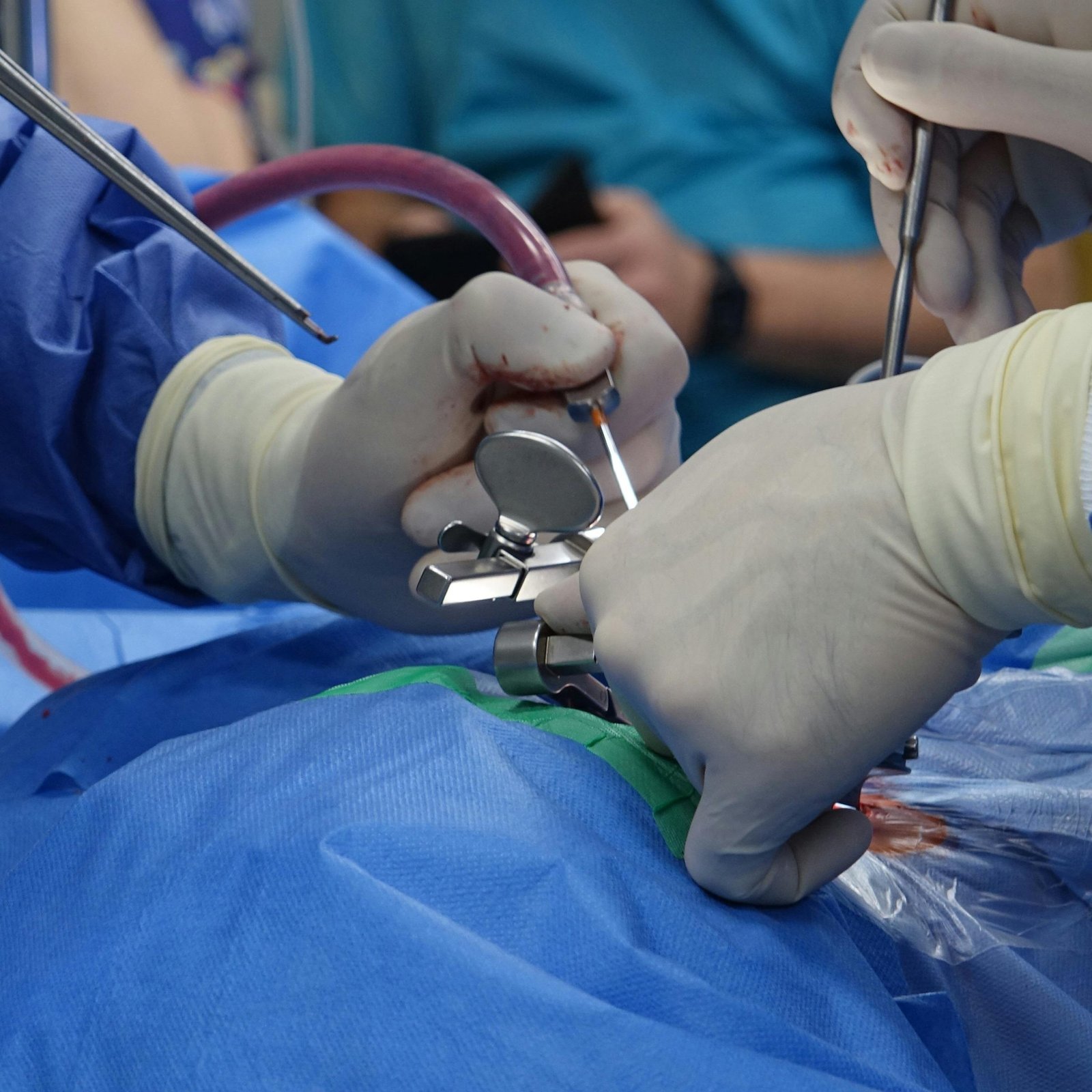
Joint pain, a sports injury, or a nagging back problem can quietly take over your daily life. Simple tasks like climbing stairs, lifting groceries, or getting a full night's sleep suddenly become difficult. When conservative treatments at home stop working, the next step is finding a specialist who understands bones, joints, muscles, and the connective tissue that holds everything together. That is where an experienced orthopedic surgeon comes in, and choosing the right one can make all the difference in how quickly and completely you recover.
If you have been searching for a trusted Orthopedic Surgeon in Union City, this guide walks you through what these specialists actually do, the conditions they treat, and how to know you are choosing a practice built around your long-term health rather than a quick fix.
Understanding When You Need an Orthopedic Specialist
Not every ache requires a trip to a specialist, but there are clear signs that it is time to stop waiting and get evaluated. Persistent joint pain that lasts more than a few weeks, swelling that does not go down, reduced range of motion, or an injury that makes it hard to bear weight are all reasons to schedule a consultation. Many people also delay care after a fall or sports injury, assuming the discomfort will resolve on its own. Unfortunately, untreated musculoskeletal issues often get worse over time, sometimes requiring more invasive treatment than if they had been addressed early.
An orthopedic surgeon is trained to diagnose the root cause of pain rather than just treating symptoms. Through a combination of physical examination, imaging such as X-rays or MRIs, and a detailed discussion of your medical history, they can pinpoint exactly what is happening inside a joint or bone and recommend a treatment path suited to your lifestyle and goals.
What Sets an Experienced Orthopedic Surgeon Apart
Orthopedic care is not one-size-fits-all. A skilled surgeon spends years training in general orthopedics before often pursuing additional fellowship training in a subspecialty such as sports medicine, joint replacement, spine care, or hand and wrist surgery. This depth of training matters because it shapes how a physician approaches your specific case.
Patients across the region trust Paul Rothenberg, MD for exactly this reason. With a career built on precision diagnostics, minimally invasive techniques, and a genuine commitment to patient education, the practice has become a go-to resource for residents dealing with everything from minor sprains to complex joint reconstructions.
Beyond technical skill, the best orthopedic specialists take time to explain your diagnosis in plain language, walk you through every treatment option, and involve you in decisions about your own care. Surgery is never the automatic first recommendation. Instead, a thoughtful surgeon will typically start with the least invasive option that is likely to work, escalating only when necessary.
Common Conditions Treated by Orthopedic Specialists
Orthopedic practices handle an enormous range of issues, and understanding this scope helps patients recognize when a referral makes sense. Some of the most frequently treated conditions include:
- Knee and hip osteoarthritis, which often leads to chronic pain and stiffness as cartilage wears down over time.
- Rotator cuff tears and shoulder impingement, common among both athletes and people with physically demanding jobs.
- ACL and meniscus injuries, frequently seen in sports that involve sudden stops, pivots, or jumps.
- Carpal tunnel syndrome and other nerve compression issues affecting the hands and wrists.
- Fractures resulting from falls, accidents, or sports-related trauma.
- Chronic back and neck pain stemming from disc degeneration or spinal stenosis.
- Bunions, hammertoes, and other foot and ankle deformities that affect mobility.
Each of these conditions can range from mild to severe, and treatment plans vary accordingly. A thorough evaluation is always the starting point, ensuring that any recommended procedure, whether it is physical therapy, a cortisone injection, or surgery, is genuinely the right fit.
Why Local, Accessible Care Matters
Recovery from an orthopedic injury or procedure is rarely a single appointment. It typically involves follow-up visits, imaging, physical therapy referrals, and ongoing communication with your care team. This is one of the biggest reasons patients specifically look for an Orthopedic Surgeon in Union City rather than traveling long distances for care. Being close to your provider means fewer logistical headaches, easier scheduling around work and family commitments, and a stronger, more consistent relationship with your surgeon throughout the recovery process.
Local care also tends to foster better continuity. When your surgeon is easy to reach, questions get answered faster, complications are caught earlier, and you are more likely to stick with post-operative instructions like physical therapy schedules or activity restrictions. This consistency directly correlates with better long-term outcomes, particularly after joint replacement or reconstructive surgery.
There is also a comfort factor that should not be underestimated. Dealing with pain, mobility limitations, or the prospect of surgery is stressful enough without adding long commutes or unfamiliar surroundings to the mix. Patients who choose a nearby, well-established practice often report feeling more at ease throughout treatment simply because the office, staff, and surroundings become familiar rather than foreign. Family members and caregivers benefit as well, since they can more easily attend appointments, assist with transportation after a procedure, and stay involved in the recovery process from start to finish.
Advanced Treatment Options Available Today
Orthopedic medicine has evolved considerably over the past decade. Many procedures that once required large incisions and lengthy hospital stays can now be performed arthroscopically, using small incisions and specialized cameras. This shift toward minimally invasive surgery generally means less pain, a lower risk of infection, and a faster return to normal activities.
In addition to arthroscopic techniques, many practices now offer regenerative treatments such as platelet-rich plasma (PRP) injections, which use a concentration of the patient's own healing factors to encourage tissue repair. For patients with advanced arthritis, joint replacement technology has also improved significantly, with more durable implants and techniques that support faster rehabilitation timelines than in years past.
A practice that stays current with these advances, like the one led by Paul Rothenberg, MD, gives patients access to a broader range of options rather than a one-size-fits-all treatment plan. This matters because the right procedure for a competitive athlete in their twenties is often very different from the right procedure for a retiree managing chronic hip pain.
What to Expect During Your First Visit
Walking into an orthopedic office for the first time can feel intimidating, especially if you are dealing with pain or uncertainty about what is wrong. A well-run practice will make this process as straightforward as possible. Typically, your visit will begin with a review of your symptoms and medical history, followed by a physical examination focused on the affected area.
Depending on your symptoms, the surgeon may order imaging on-site or refer you for additional testing. Once a diagnosis is reached, you should expect a clear explanation of what is happening, what your treatment options are, and what recovery would look like under each option. Good communication at this stage sets the tone for the rest of your care, so do not hesitate to ask questions or request clarification on anything that feels unclear.
It is also a good idea to bring a list of current medications, notes on when your symptoms started, and any prior imaging or records from other providers. This helps the surgeon build a complete picture of your health history from the very first appointment, which often speeds up diagnosis and reduces the need for repeat testing. Patients who come prepared tend to leave their first visit with a clearer sense of direction and a concrete plan for the weeks ahead.
Choosing the Right Practice for Your Needs
When searching for an Orthopedic Surgeon in Union City, it helps to look beyond just credentials. Consider how the practice communicates, whether they take time to answer questions, and whether their treatment philosophy aligns with your own preferences. Some patients want to explore every non-surgical option first, while others prefer a more direct path if surgery is clearly the best solution. A good surgeon respects that preference while still guiding you toward the safest, most effective path forward.
It is also worth considering the full range of services a practice offers. A comprehensive orthopedic practice can handle diagnostics, non-surgical treatment, surgical intervention, and post-operative rehabilitation guidance all in one place, reducing the number of separate providers you need to coordinate with during recovery.
Taking the Next Step Toward Recovery
Living with chronic pain or putting off treatment for an injury rarely leads to a better outcome. The sooner a qualified specialist evaluates your condition, the sooner you can begin a treatment plan tailored to your specific needs, whether that means physical therapy, a minor procedure, or a more involved surgical intervention.
If joint pain, a sports injury, or a chronic musculoskeletal condition has been holding you back, do not wait for it to get worse. Reach out to a practice with the experience, technology, and patient-first approach needed to get you back to the activities you enjoy, and take the first step toward lasting relief.