Introduction
If you’re looking for a puzzle that feels simple at first glance but keeps getting more interesting the longer you play, a watermelon-style merge game is a great place to start. These games have an oddly satisfying rhythm: drop fruit (or fruit-like pieces), let gravity do the work, and merge matching items until larger ones appear. The best part is that you’re never just “waiting”—you’re constantly making tiny choices about where things land and how the pile grows.
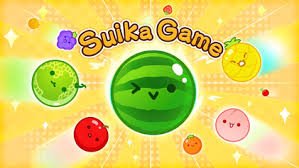
One popular example is Suika Game game built around the exact joy of merging fruit in a chaotic, physics-driven arena. Whether you’re new to puzzle games or you’ve played dozens already, it’s the kind of title that invites you to slow down, pay attention, and experiment. Let’s talk about how to play it, what to expect, and a few friendly tips to help you improve your runs.
Gameplay: How the Watermelon Puzzle Works
At its core, Suika Game is a “merge and survive” puzzle with physics. You typically control a falling piece by choosing when and where it drops. Then the game takes over: items tumble, bump into each other, and settle into stacks. The goal is to create larger fruit by combining matching ones.
Here’s the basic loop you’ll follow:
- Drop fruit into the play area
Instead of moving fruit left and right once it’s falling, you guide the next item’s position before it drops. Timing and placement matter because everything interacts physically. - Let matching items merge
When two same-sized fruits touch and merge (following the game’s rules), they form the next larger fruit. This is the heart of the puzzle. Every merge changes the structure of the pile—sometimes neatly, sometimes in surprising ways. - Manage the stack as it grows
As you keep dropping fruit, the top of the play area becomes harder to reach safely. If your pile gets too high or collapses into an unfavorable shape, the run can end. So you’re not just trying to “make merges”—you’re trying to make merges in a way that keeps your space under control. - Aim for bigger outcomes, but accept the chaos
Bigger fruit usually require more merges, which means more drops. You’ll often need multiple attempts to get a chain going. Even when you plan well, the physics can cause unexpected movement. That unpredictability is part of the fun: you react, adjust, and learn patterns from what happens.
What makes this watermelon-style gameplay feel interesting is the combination of patience and improvisation. You’re building a structure, but you’re also reacting to how gravity rearranges your building blocks. It’s like a puzzle you can’t fully solve on paper—because the real “solution” is how quickly you adapt.
Tips: Small Habits That Make a Big Difference
You don’t need fancy strategies to enjoy Suika Game. But if you want to play more comfortably—and maybe last a bit longer—these tips can help.
1. Watch the “available space,” not just the next drop
Before you throw the next fruit, quickly scan where empty space exists and where movement is likely. A good placement often isn’t the spot closest to a merge—it’s the spot that prevents the stack from becoming impossible.
2. Build stability at the bottom
Think about the base of your pile like a foundation. If the bottom becomes lopsided or overly compact, everything above can shift suddenly when another fruit lands. Aim for a shape that can absorb impact without turning into a vertical tower too early.
3. Use the edges wisely
The outer sides of the play area often act like “rails” for the pile. Depending on your situation, placing fruit along the edges can help keep things from spreading unpredictably. If your pile is already leaning, be careful—more edge drops can sometimes make that lean worse.
4. Think in chains, not single merges
A single merge is nice, but chains are more valuable because they reduce clutter and create room. If you notice two possible merge paths, try to choose the one that makes the next merge easier rather than harder.
5. Don’t overcommit to one plan
In physics-based puzzles, your best plan still needs flexibility. If the pile rearranges in a way you didn’t expect, treat that as new information. Adjust your next few drops to restore control instead of forcing the original strategy.
6. Practice your timing with quick resets
Every run teaches you something. If you lose early, that doesn’t mean you did “nothing”—it means you collected data about how the pile behaves. Try replaying with one simple goal, like “I’ll prioritize keeping the top half open” or “I’ll aim for smoother merges.”
7. Keep it friendly—your goal is enjoyment
Some players chase high scores, but you can also just aim for interesting moments: a satisfying chain reaction, a near-perfect merge, or a surprising save. The game is designed to be fun even when you’re not grinding.
Conclusion: Enjoy the Watermelon Puzzle Moments
Watermelon merge puzzles are compelling because they combine clear objectives with unpredictable physics. Suika Game shows off that formula beautifully: drop, merge, reorganize, and try again—each run offering fresh challenges even if you’re using similar tactics.
If you’re new, start by focusing on fundamentals: placement, stability, and learning how your pile reacts. If you’re already playing, consider using the tips above to create a calmer structure and open space for future merges. Most importantly, remember that the charm of this genre is the journey—those little “oh wow, that worked” moments are the whole point.